
Jump to 12 sections · 12 min ⌄
- 01A. Why your foundation cakes, separates or pills in the heat
- 02B. The direct answer
- 03C. Understanding the problem
- 04D. The science behind it
- 05E. Which of our products may help
- 06F. Step-by-step application guide for hot days
- 07G. Practical tips: find your cause in a few days
- 08H. Do's and Don'ts
- 09I. Frequently asked questions
- 10J. Find the right products for you
- 11K. Scientific references
- 12Get advice from an agent
A. Why your foundation cakes, separates or pills in the heat
South African summers are tough on makeup. If your base looked lovely at 7am but by lunchtime it has gone patchy, slid off your nose or rolled into little flakes, you are not alone, and it rarely means the foundation is "bad". Most of the time it comes down to three things: how much product is on the skin, what is underneath it, and how much oil and sweat your skin makes when it gets warm.
B. The direct answer
- Caking usually means too much foundation or powder, dry patches underneath, or skincare that has not settled yet.
- Separating (patches, breaking up around the nose and chin, "melting") usually means oil, sweat or a rich layer underneath is breaking up the foundation film.
- Pilling (little rolls or flakes) usually means layers were applied too quickly, too thickly, or rubbed instead of pressed.
The fix is to use less product in thinner layers, give each layer time to settle, choose a primer for your skin type, press rather than rub, and blot instead of piling on more powder during the day. If you change one thing at a time, you can find your exact cause in a few days.
C. Understanding the problem
These three problems look different, so start by working out which one you have.
Caking looks thick, dry or "heavy". Foundation collects in fine lines, around the nose and on dry patches. It often gets worse as the day goes on because powder keeps being added on top.
Separating shows up as patches where the skin shows through, usually on the nose, chin, forehead and between the brows. The foundation can look like it is sliding or breaking into small gaps. This is the one most of our customers with oily or combination skin tell us about on hot days, often by midday.
Pilling happens during application. As you blend, little rolls of product appear, a bit like rubbing an eraser on paper. It is often the sunscreen, primer or moisturiser underneath rolling up, not the foundation itself.
Before you change anything, ask yourself three questions:
- Is my skin oily, combination, normal or dry, and does it change in summer?
- What do I put on before foundation, and how long do I wait between each step?
- When does it go wrong: while I am applying, an hour later, or after time outdoors?
Your answers point straight to the most likely cause.
D. The science behind it
Heat increases oil on the skin surface. In a classic study at the University of Newcastle, warming or cooling forehead skin changed the rate of sebum (skin oil) reaching the surface by roughly 10% for every 1°C (Cunliffe et al., 1970). Warm skin also makes sebum thinner and more mobile. On a hot day, there is simply more oil available to mix with your foundation.
Sebum is a main reason foundation wears off. A study of facial skin conditions and foundation wear found that sebum was the main cause of foundation "coming off" during the day (Torizuka et al., 1995). More recent research found that sebum mixing into a liquid foundation can also make it look darker and more see-through over time (Zhang et al., 2024). This is one reason a shade that matched in the morning can look darker or slightly off by the afternoon on oily areas.
Foundations and primers hold on with a thin film. Long-wear makeup uses film-forming ingredients that hold pigment in place on the skin. When oil, sweat or a rich cream gets into that film, it softens and breaks up. That is what separation looks like.
Pilling is mostly about layering and rubbing. In a study where volunteers layered skincare, sunscreen and foundation, most pilling happened after sunscreen was applied, and rubbing products in with circular or linear motions caused the most pilling events. Drier, smoother skin was also linked with more pilling (Lua et al., 2024). The lesson is not to skip sunscreen. It is to give it time to settle and to press the next layer on gently.
E. Which of our products may help
There is no single product that fixes every base problem. These are the ones we would look at first, depending on what you see.
If your skin is oily or combination and your base separates by midday
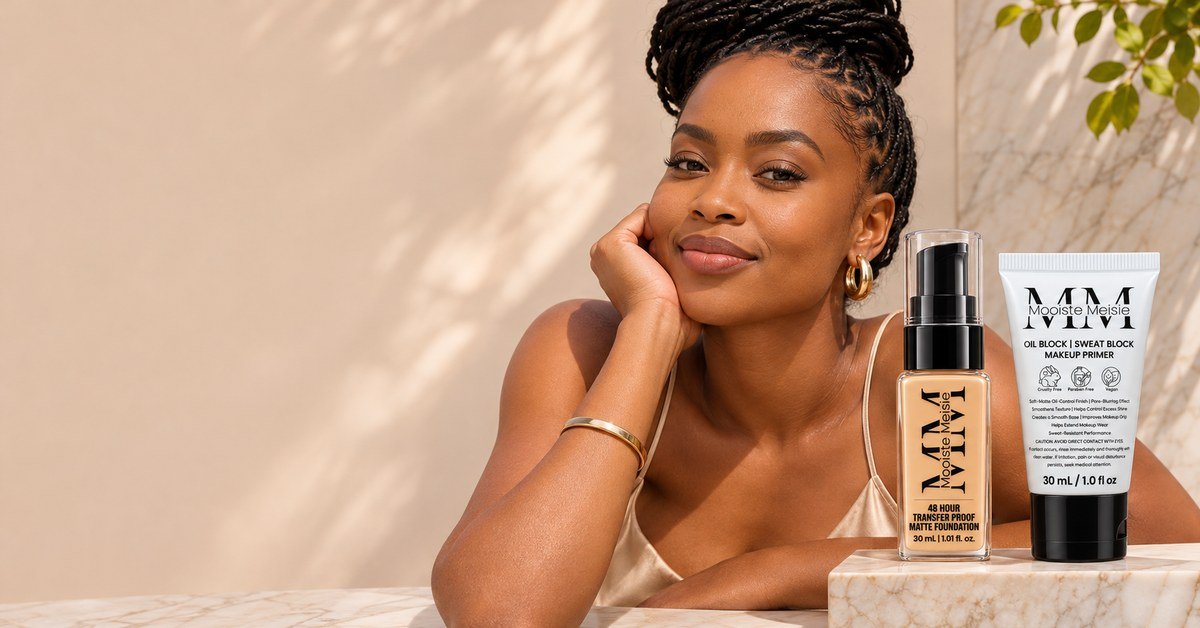
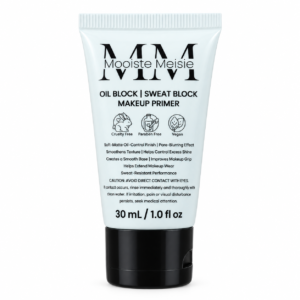
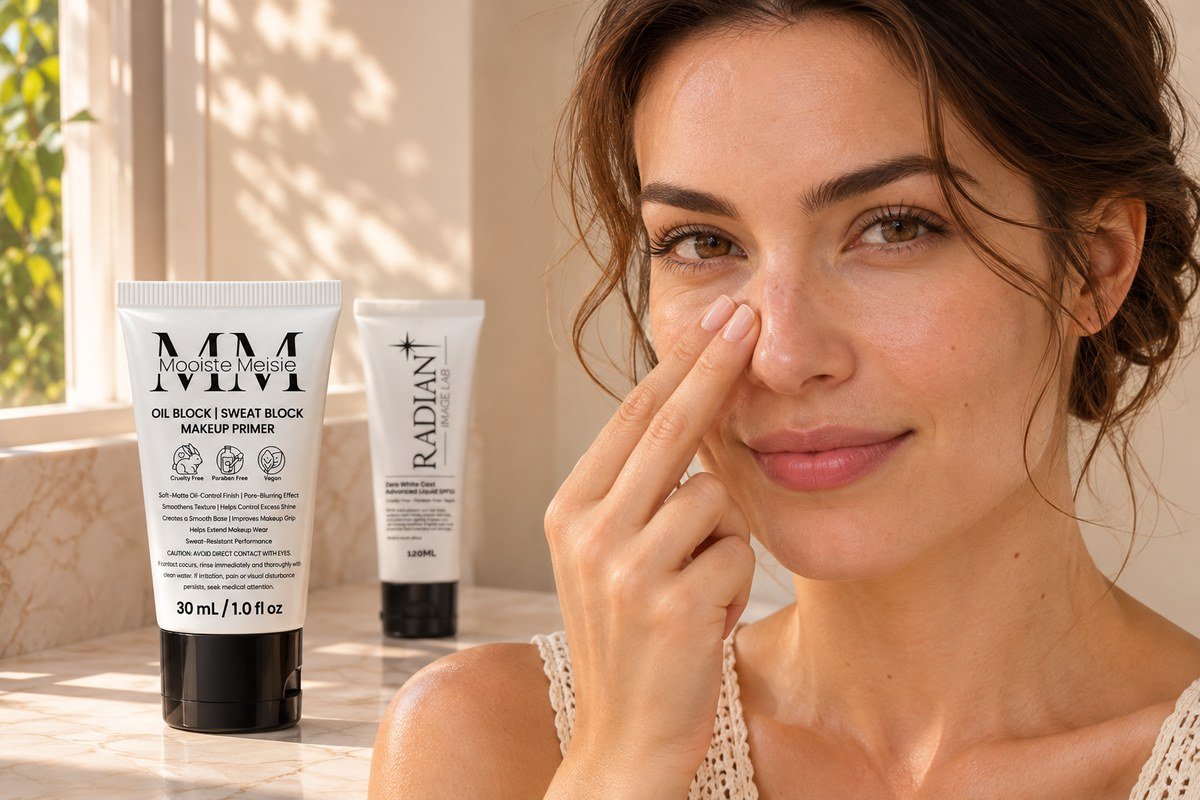
- Oil & Sweat Block Makeup Primer: a small amount on your oily areas only (usually the T-zone), then wait about 4 minutes before foundation. It is alcohol-free and contains niacinamide, zinc PCA and panthenol. Using too much is the most common mistake.
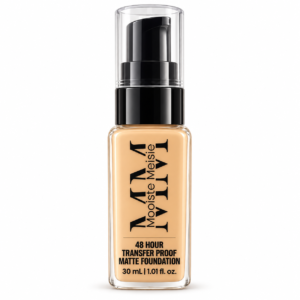
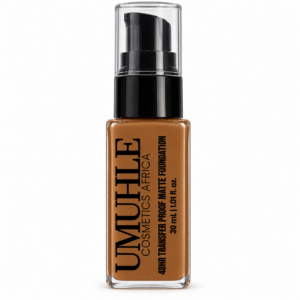
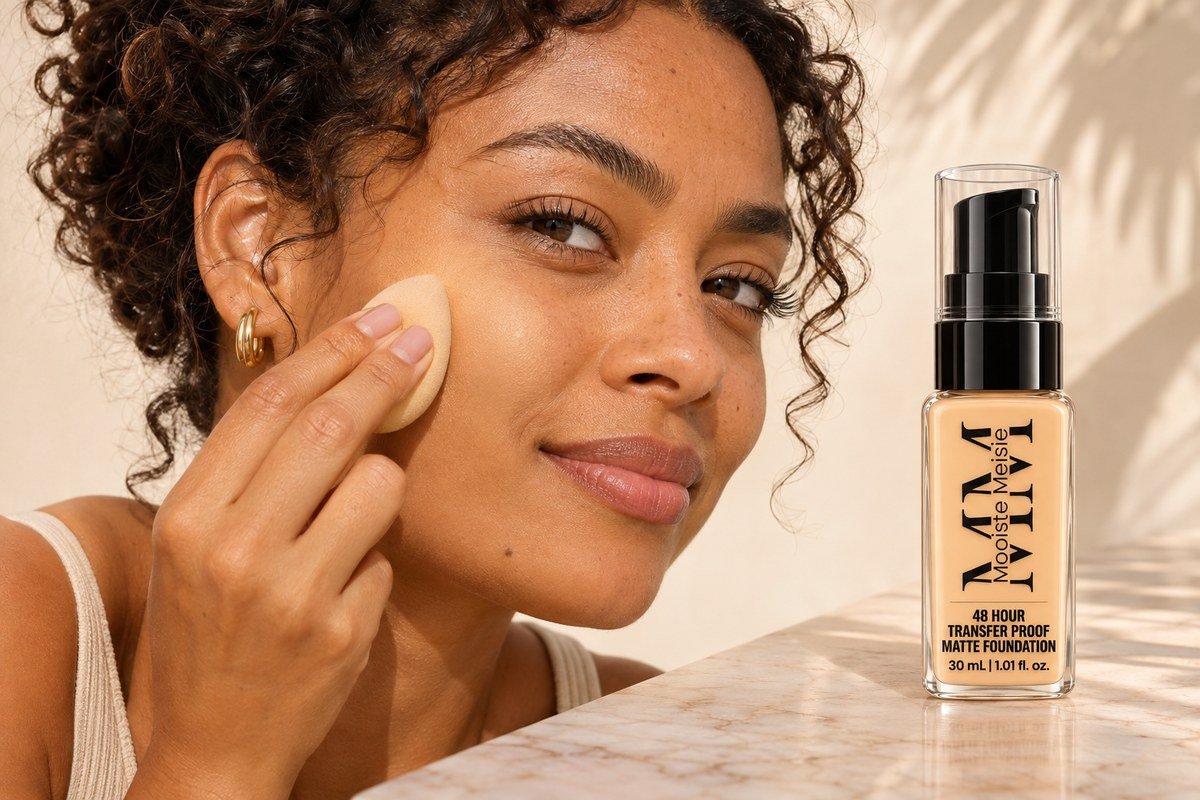
- 48HR Matte Transfer-Proof Foundation or Umuhle 48HR Matte Transfer-Proof Foundation: a matte, long-wear finish for oily skin. Shake well, never apply it on dry, unprepped skin, work in small sections and do not go back over areas once they have set.
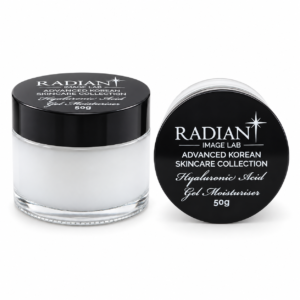
- Advanced Hyaluronic Acid Gel Moisturiser: a light gel that suits oily skin and hot summers, so it leaves less residue under foundation than a rich cream.
If your base looks cakey or heavy
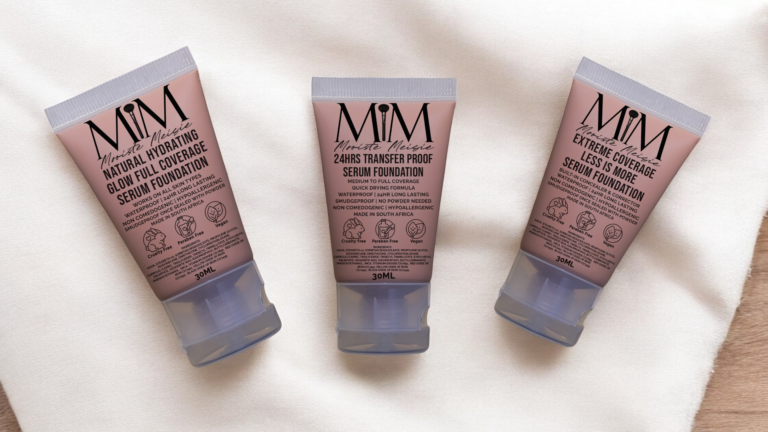
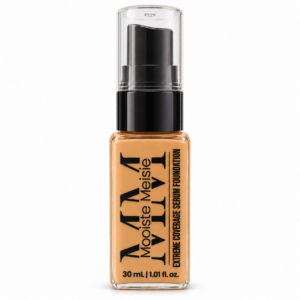
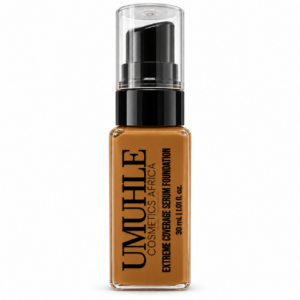
- Extreme Coverage Foundation or Umuhle Extreme Coverage Foundation: a little goes a long way. Start with a small amount and build only where you need more coverage. If it looks cakey, the answer is usually less product and thinner layers.
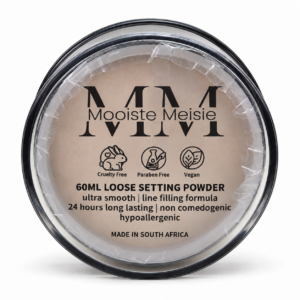
- Loose Setting Powder: press it in only where you get shiny, rather than sweeping it all over. Too much powder is the most common cause of a cakey look.
- Powder Puff Set and Foundation & Blender Brush: pressing with a puff puts down a thinner, more even layer than heavy buffing.


If your skin is dry and your base clings to flaky patches or pills
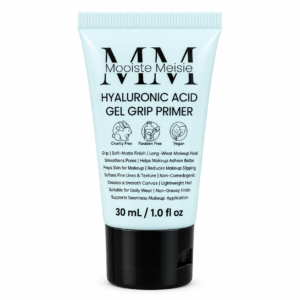
- Grip Primer: a hydrating primer with hyaluronic acid that gives foundation something to hold on to.
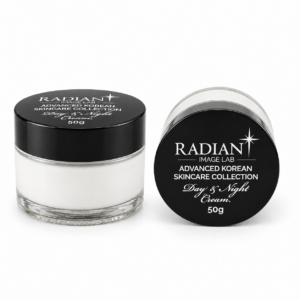
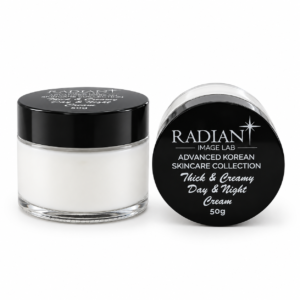
- Advanced Day & Night Cream or Thick & Creamy Advanced Day & Night Cream: use a thin layer and let it settle fully before primer.
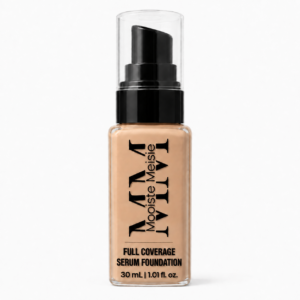
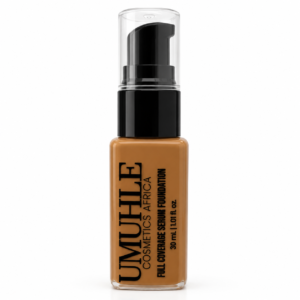
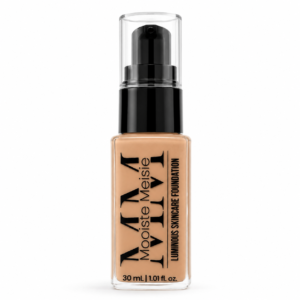
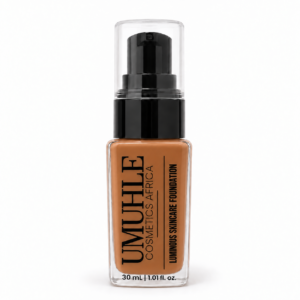
- Hydrating Serum Full-Coverage Foundation or Umuhle Hydrating Serum Full-Coverage Foundation: a dewy finish that suits all skin types and is more comfortable on dry skin than a full matte.
- Luminous Foundation or Umuhle Luminous Foundation: made for mature or very dry skin, with 4% niacinamide, 2% N-acetyl glucosamine and 0.1% sodium hyaluronate.
If you want something lighter on very hot days
- Barely There Serum Skin Tint: self-setting, so you do not need powder on top.
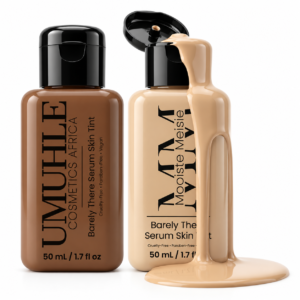
Barely There Serum Skin Tint
Lightweight serum skin tint designed for mature skin Blurs the look of fine lines and smooths texture without settling Self-setting and transfer-resistant:…
For sun protection under makeup
- SPF50 Primer: SPF tested to ISO 24444, with compliance verified against SANS 1557. Use about two finger-lengths for face and neck and let it settle for a few minutes before foundation. Reapply every 2 hours outdoors, and after swimming, sweating or towel drying.
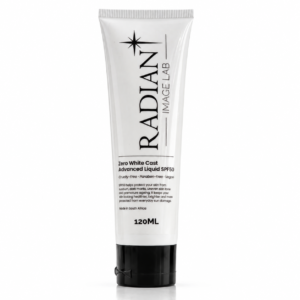
SPF50 Primer
Liquid SPF50 primer: broad-spectrum UVA and UVB protection and a smooth makeup base in one step UV filters include avobenzone, Tinosorb S,…
To finish and refresh
- Long-Stay Setting Spray: 2 to 3 light mists after makeup. On hot days, blot first, then one light mist.
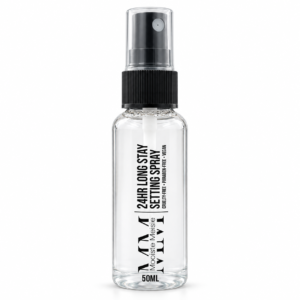
Long-Stay Setting Spray
Long-lasting setting spray that helps hold your makeup in place Helps control shine and prevent blotching Fine mist with a smooth, natural…
Not sure which foundation suits you? Try the Trial Size Foundations first, or use our Shade Finder.

Trial Size Foundations
8 ml foundation samples so you can test your shade before buying 30 ml 4 formulas: Luminous, 48hr Matte, Hydrating Full Coverage…
F. Step-by-step application guide for hot days
- Cleanse. Use our Gentle Teen + Adult Face Cleanser or Micellar Cleansing Water so you start without old oil or product on the skin.
- Moisturise lightly. Oily skin: a small amount of our gel moisturiser. Dry skin: a thin layer of our Advanced Day & Night Cream. Wait until it no longer feels wet or tacky.
- Sunscreen. Apply the full amount on the label. With our SPF50 Primer, that is about two finger-lengths for face and neck. Let it settle for a few minutes. Never use less sunscreen to make your makeup last; adjust the other layers instead.
- Primer where you need it. Oil & Sweat Block Makeup Primer on oily areas only, or Grip Primer for dry areas. Wait about 4 minutes.
- Foundation in thin layers. Shake the bottle. Start with a small amount and work in sections. Press and pat with a damp sponge or brush rather than rubbing. Build a second thin layer only where you need it.

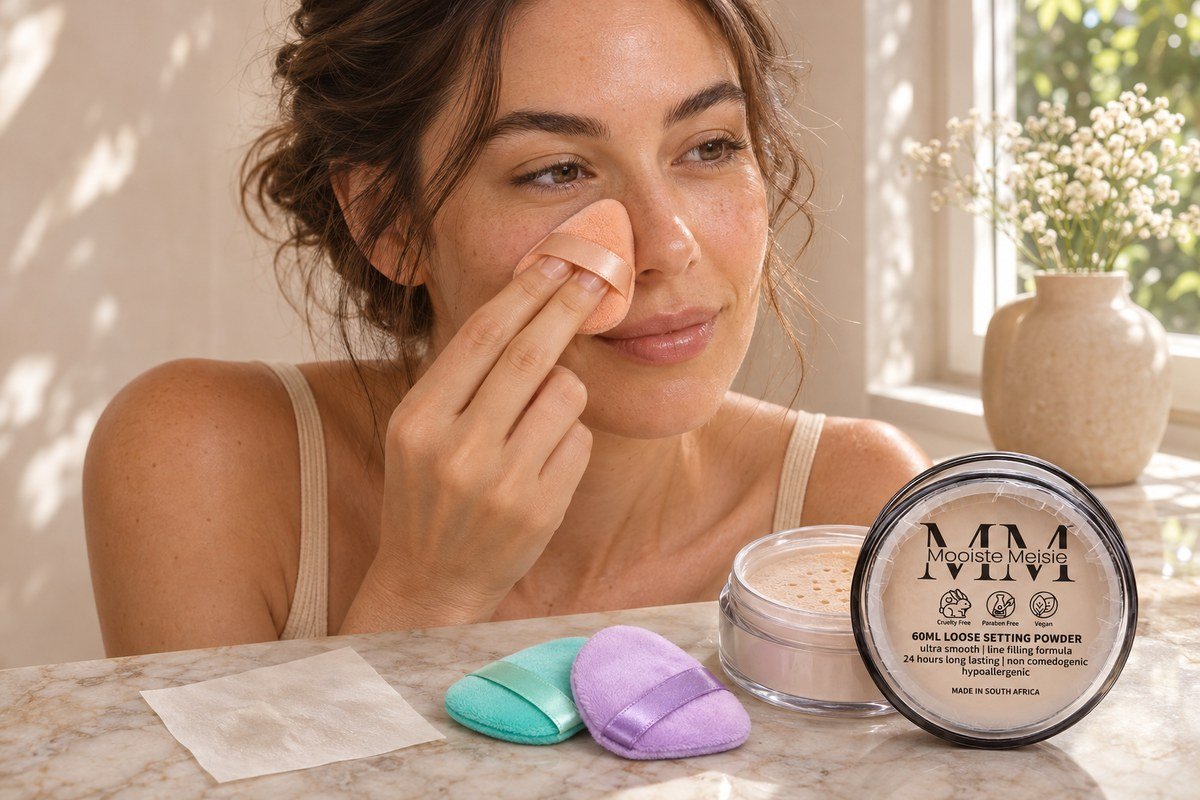
- Set only where you shine. Press a small amount of Loose Setting Powder onto the T-zone with a puff. Leave drier areas unpowdered.
- Mist. 2 to 3 light mists of Long-Stay Setting Spray.
- During the day. Blot oil with a tissue or blotting paper first. Then, if needed, a tiny amount of powder pressed in, or one light mist. Reapply sunscreen as directed when you are outdoors.
G. Practical tips: find your cause in a few days
Change only one thing at a time, so you know what made the difference.
- Test A: less product. Use half your usual amount of foundation and powder for one day. If the caking improves, the amount was the problem.
- Test B: more waiting time. Wait until each layer has settled (no tacky feel) before the next. If pilling stops, you were layering too quickly.
- Test C: change the primer. Swap to the primer that matches your skin type (oil control for oily areas, hydrating for dry areas). If separation improves, the base underneath was the cause.
- Test D: change the technique. Press and pat instead of rubbing or buffing. If the flakes disappear, friction was the cause.
Other tips that help in the heat:
- Keep a little blotting paper in your bag. Blotting removes oil, while extra powder just sits on top of it.
- Keep your foundation out of hot cars and direct sun.
- On very hot days, choose a lighter base such as our skin tint, and build coverage only where you need it.
- If your foundation looks a shade darker or more orange outdoors or in the heat, oil can change how a shade looks (Zhang et al., 2024). Check your match in daylight with our Shade Finder, and ask your agent or our team for help.
- Our 48HR Matte foundation ships in either a tube or a pump bottle depending on supply. Both are the same product, so this is normal.
Before you start
Before trying any new product, do a patch test. Apply a small amount to your inner arm every day for 7 to 10 days. If you see redness, itching or swelling, do not use it on your face (American Academy of Dermatology).
H. Do's and Don'ts
Do
- Use thin layers and build slowly.
- Let skincare, sunscreen and primer settle before foundation.
- Match your primer to your skin type.
- Press product in with a sponge, brush or puff.
- Blot before you touch up.
- Apply the full amount of sunscreen and reapply it as directed.
Don't
- Don't apply long-wear matte foundation on dry, unprepped skin.
- Don't rub or keep reworking foundation once it has started to set.
- Don't sweep powder all over your face, or add more powder on top of oil.
- Don't cut back on sunscreen to stop pilling or caking.
- Don't change several products at once, or you won't know what helped.
I. Frequently asked questions
Why does my foundation separate on my nose by midday?
The nose and T-zone have more oil glands, and heat makes more oil reach the surface. That oil breaks up the foundation film. A small amount of Oil & Sweat Block Makeup Primer on the T-zone, thin foundation layers and blotting during the day usually help.
Why does my foundation look cakey even though I use very little?
Check what is underneath. Dry or flaky patches, a heavy moisturiser that has not settled, or too much powder on top can all make a small amount of foundation look heavy. Try a hydrating primer on dry areas and press powder only where you shine.
Why does my makeup pill when I put foundation over sunscreen?
Sunscreen forms a film on the skin, and rubbing the next layer over it before it settles can roll it up. Give your sunscreen a few minutes to settle, then press foundation on rather than rubbing. Keep using the full amount of sunscreen.
Is there a sweat-proof foundation?
No base is completely untouched by heavy sweat. What helps most is the right primer for your skin, a long-wear formula such as our 48HR Matte Transfer-Proof Foundation, thin layers, and blotting during the day.
Why does my foundation look darker or orange in the heat?
Oil mixing with foundation can make it look darker and more see-through on oily areas over the day. Also check that your shade suits your undertone in daylight. Our Shade Finder, your agent and our team can help you find a better match.
Can I re-powder when my face gets oily?
Blot first. Powder on top of oil soaks it up and builds a heavy layer, which can look cakey. After blotting, press in just a little powder or use one light mist of setting spray.
When should I get further help?
If a product looks, smells or feels different from usual (for example, it suddenly dries very fast or turns thick), stop using it, take photos and contact the agent you bought it from or our team. If your skin becomes red, itchy, swollen or painful, stop using the product and speak to a healthcare professional.
J. Find the right products for you
Related reading:
- Our matte transfer-proof foundations
- Getting the most from our Extreme Coverage Foundation
- Our primers explained
- How to choose the right foundation for your skin
K. Scientific references
- Cunliffe WJ, Burton JL, Shuster S. The effect of local temperature variations on the sebum excretion rate. British Journal of Dermatology. 1970;83(6):650-654. PubMed
- Torizuka M, Nagatani N, Syoji T, Asahi M, Takano S. Study of various factors which cause the wear-off during the foundation application. Journal of Society of Cosmetic Chemists of Japan. 1995;28(4):350-358. J-STAGE
- Zhang et al. Investigating the impact of sebum secretion on liquid makeup foundation darkening and its solution. International Journal of Cosmetic Science. 2024;46:142-152. Wiley
- Lua BL, Ruan L, Lyu Y, Liu S. Understanding the causes of skincare product pilling. Skin Research and Technology. 2024;30:e13828. PMC
- American Academy of Dermatology. How to apply sunscreen. AAD
- American Academy of Dermatology. How to test skin care products. AAD
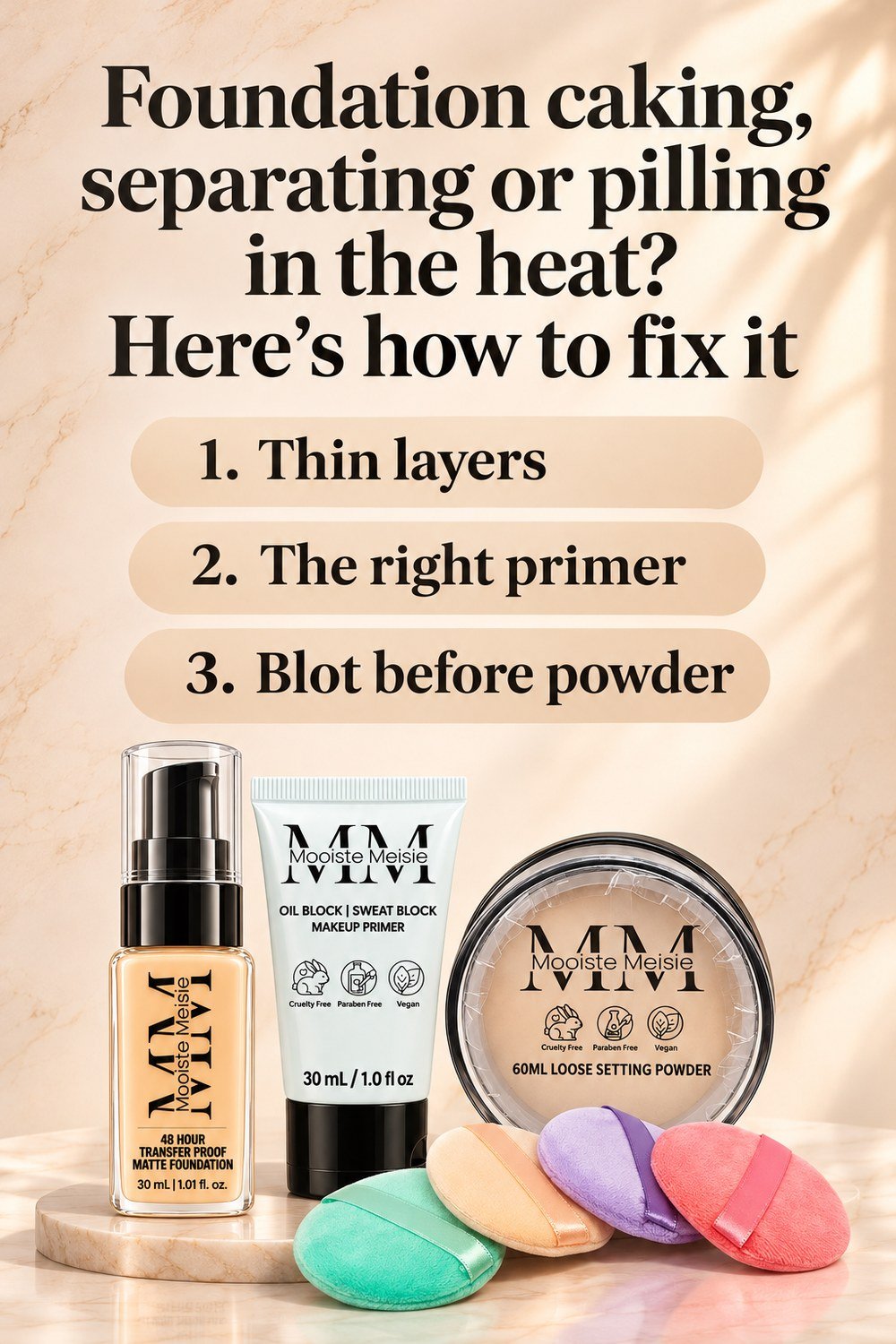
Save this guide to your Pinterest board so you have it on hand for hot days.
Where to buy
Get advice from an agent near you.
You can buy all of these products through a Mooiste Meisie agent near you or on our online shop, whichever suits you best. Agents can help you choose the right foundation, primer and shade in person, and our online shop delivers across South Africa.
Enjoyed this? Share it.
Questions about this story?
Ask us on WhatsApp for advice on products, shades or your routine. We reply personally, and your number stays private.